PART ONE
The Problem: Unequal Power Shapes Health Outcomes
The crises our communities are experiencing are not isolated problems. Racism, sexism, poverty, corporate concentration, and the drive for profit all shape healthcare today. Many groups are already doing important work, but we need far more organized power to achieve meaningful change. The challenge now is to connect, deepen, and grow that work without erasing local leadership or forcing every state into the same template.
PART TWO
What Communities Told Us About the Current Healthcare System and their Vision for Change
The care people need is often not close by. It costs too much. Having insurance does not guarantee access to the right care. People often feel that providers do not listen to them or take their concerns seriously. People are also fueling a vision for an alternative: a healthcare system rooted in community values.
PART THREE
What We Learned About the Organizing Field
The health justice field includes strong organizers, advocates, service providers, researchers, workers, and community leaders. However, their work is often separated by issue, role, geography, and funding. The opportunity is to connect them: service delivery can open doors to leadership and organizing.
PART FOUR
How We Identify Power-Building Opportunities
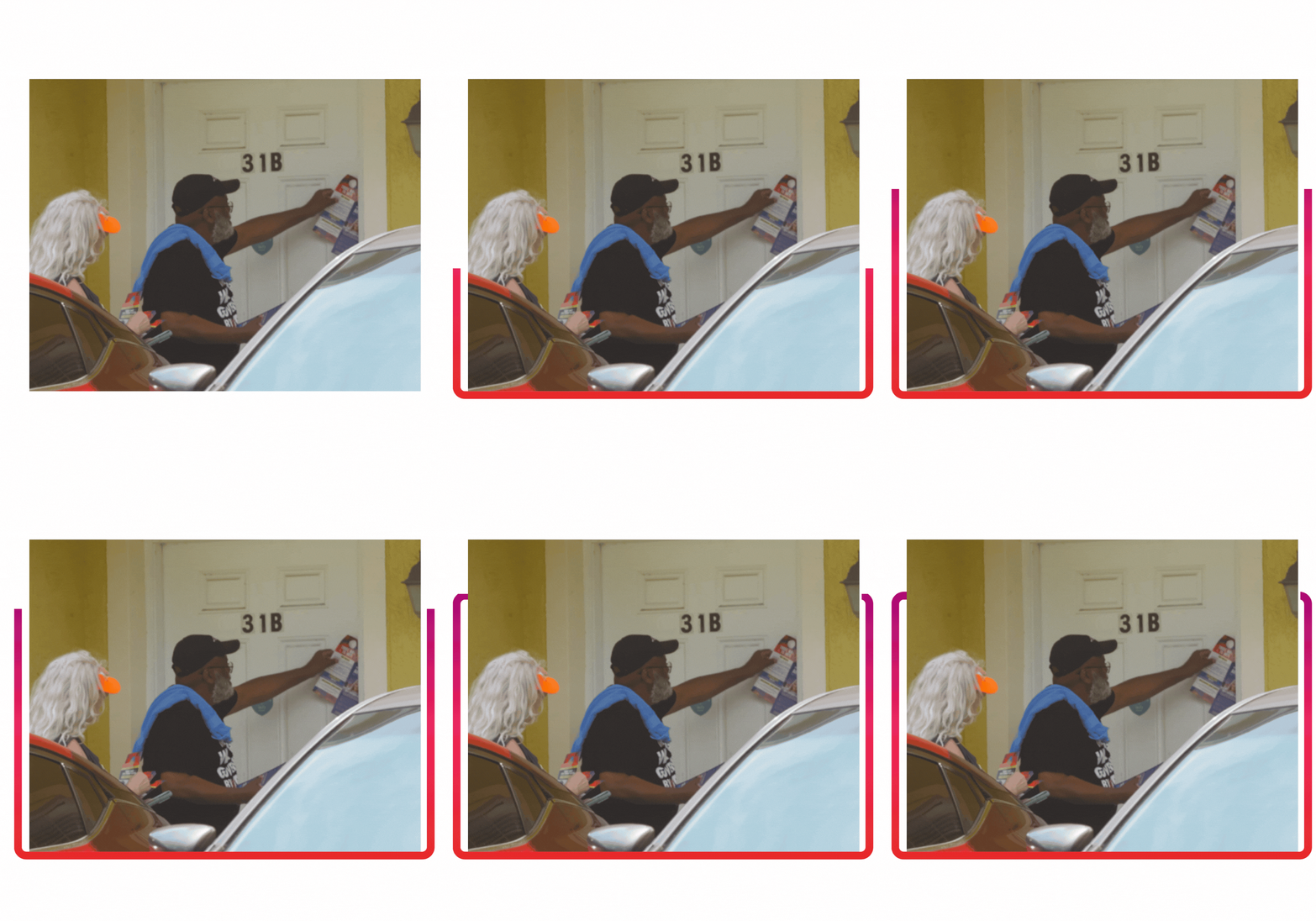
No organization can work on all the issues at once. No organizing opportunity will meet every test in every place. So we asked: Which issues could bring more people into action, develop community leaders, and build transformative power? Here are three pathways organizers and partners can test in different places.
PART FIVE
Connections to Existing Health Justice Work
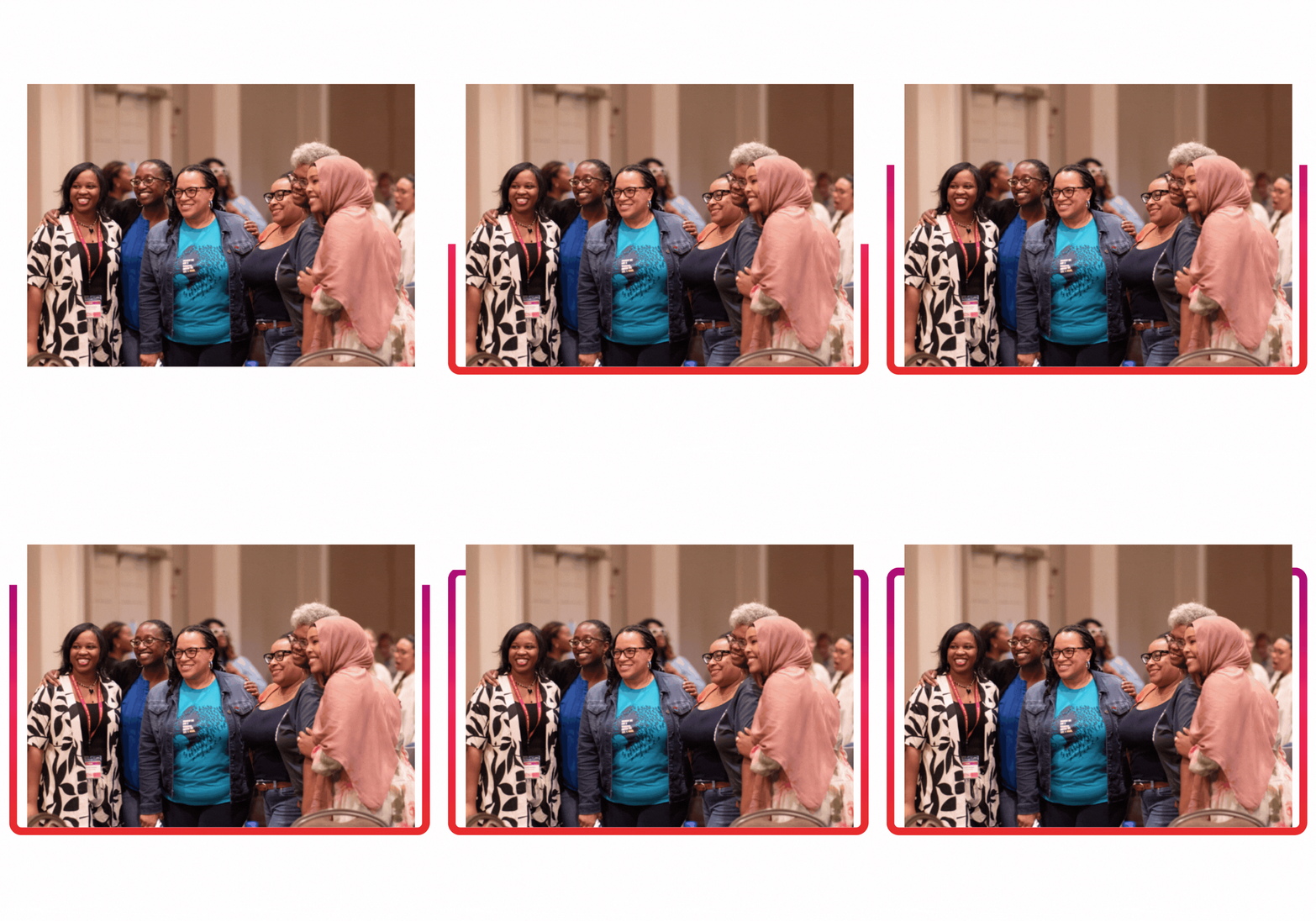
New organizing opportunities should strengthen existing work, not compete with it. That means bringing people together, developing leaders, moving decision-makers, and changing the institutions that shape health. The task now is to connect those pieces, test new organizing opportunities, learn honestly, and build a health justice movement strong enough to win.